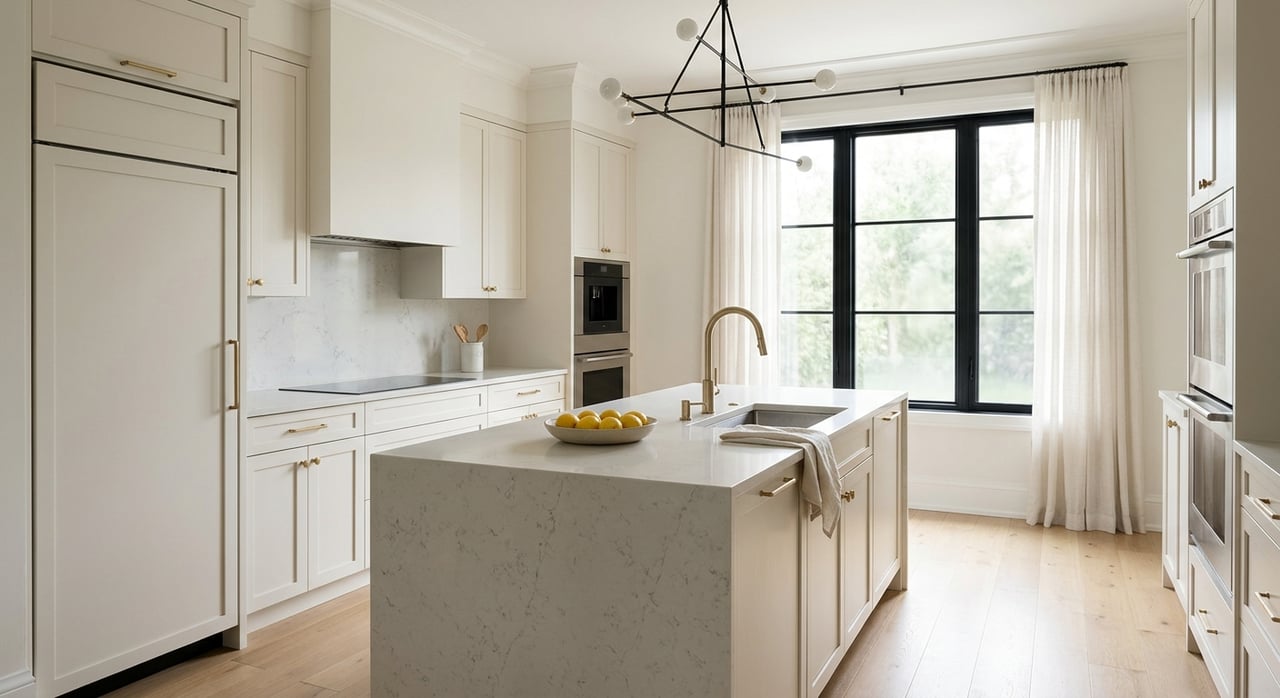
If you want to sell your Rye Brook home for the strongest possible price, preparation matters more than most sellers realize. Even in a market that has recently leaned toward sellers in Westchester County, buyers still notice condition, layout, storage, and how move-in ready a home feels. The good news is that you do not need to do everything at once. With a smart plan, you can focus on the updates that help your home show better, photograph better, and launch with confidence. Let’s dive in.
Why prep matters in Rye Brook
Rye Brook is a small Westchester village with a high owner-occupancy rate, a median owner-occupied home value above $1 million, and a well-educated population with many commuters, according to the U.S. Census QuickFacts for Rye Brook. That local profile can shape what buyers pay attention to when they walk through a home.
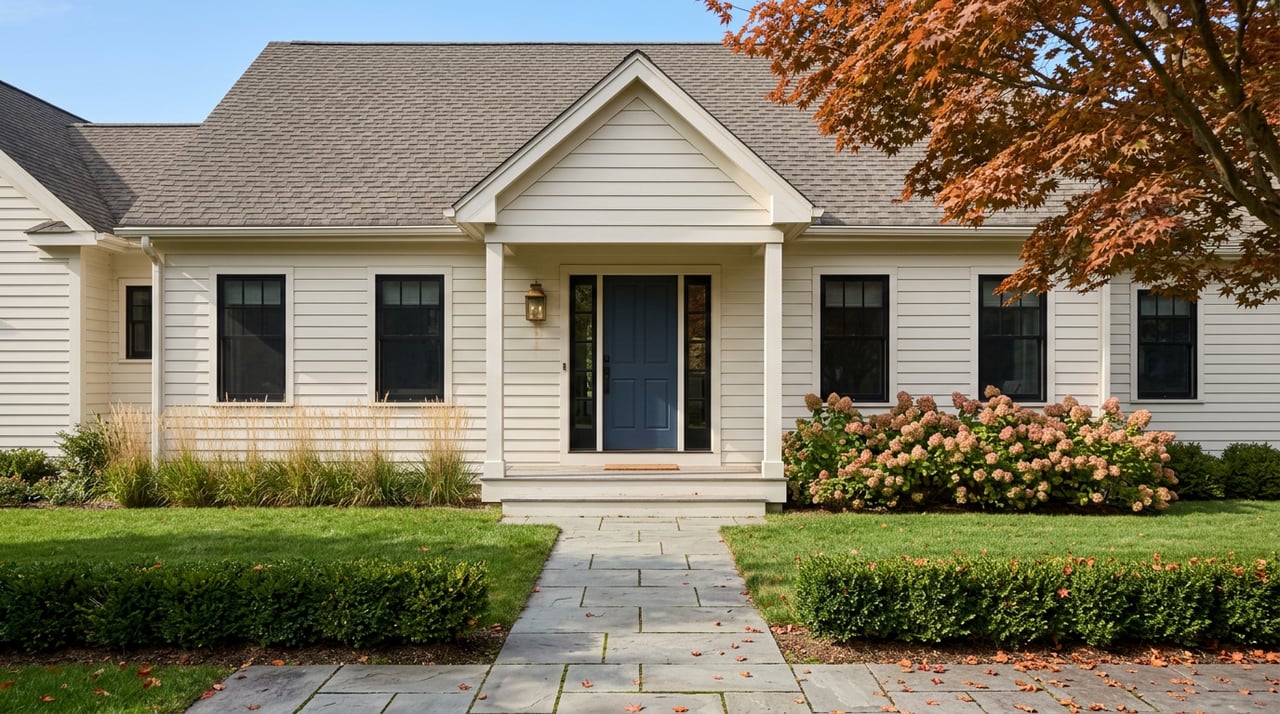
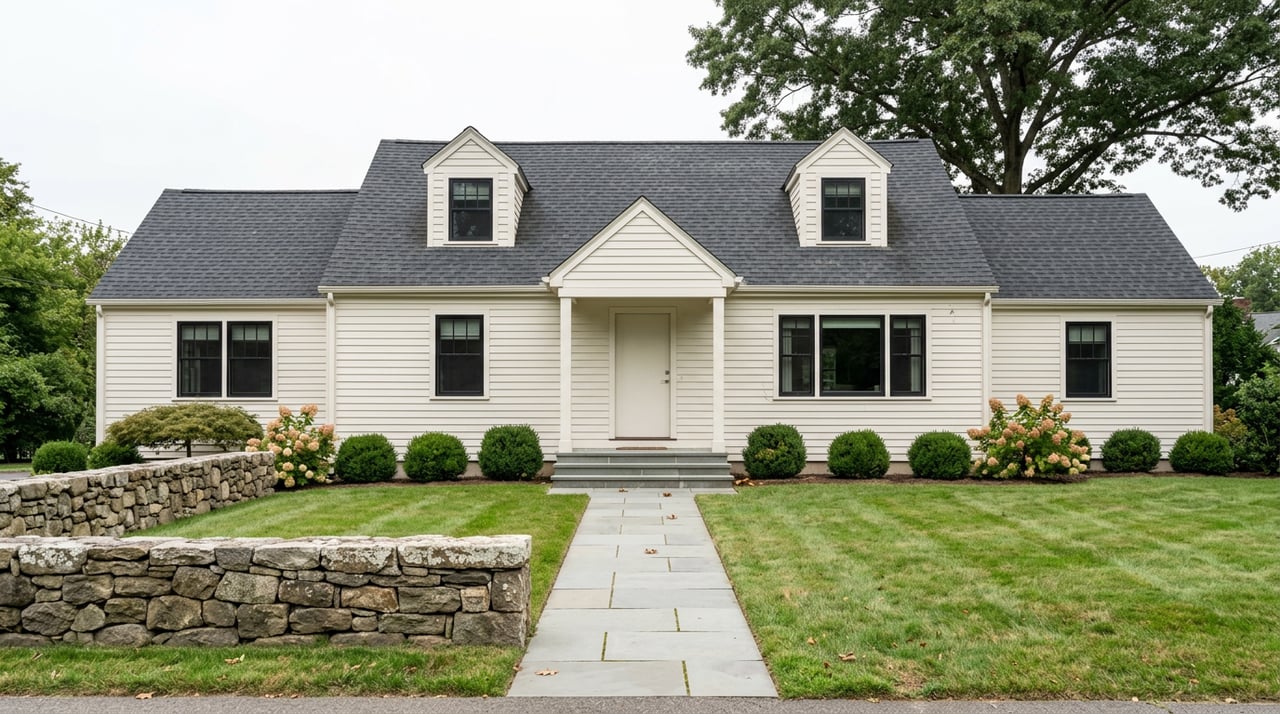
In practical terms, many buyers are looking closely at daily function. They may care about storage, flexible layouts, outdoor usability, and spaces that feel easy to maintain. Rye Brook also has five main parks, which makes curb appeal and usable exterior space part of the overall first impression.
Understand the market, then prep accordingly
Recent housing data points to a seller-leaning environment in Westchester County, but local data in Rye Brook can swing quickly because the number of sales is small. According to Realtor.com’s Westchester County market overview, the county was classified as a seller’s market with a 100% sale-to-list ratio and a median 44 days on market.
That does not mean every home will sell quickly or at top dollar without effort. Smaller Rye Brook sample sizes can produce very different median prices and days on market from one report to the next. The takeaway is simple: your sale strategy should rely on your home’s condition, presentation, and recent local comparable sales, not just a headline number.
Start with a 60 to 90 day plan
The most effective sale prep usually happens in stages. Breaking it into a 60 to 90 day timeline can help you stay organized and spend money where it counts.
Days 90 to 60: declutter, clean, and repair
This first phase is about removing distractions. In the National Association of Realtors 2025 home staging snapshot, 83% of buyers’ agents said staging made it easier for buyers to visualize a future home.
NAR also found in its staging research that common seller recommendations include decluttering, whole-home cleaning, and removing pets during showings. This is why your first steps should be practical, not glamorous.
Focus on:
- Packing away nonessential items
- Clearing countertops, shelves, and entry areas
- Deep cleaning every room
- Touching up scuffs, nail holes, and worn trim
- Fixing visible defects like loose hardware or dripping faucets
- Creating a simple plan for pets during showings
These tasks help your home feel larger, calmer, and easier to maintain. They also create a clean base for photography and staging later.
Days 60 to 30: make cosmetic updates
Once the home is clean and edited, turn to the updates with the best visual return. According to the NAR 2023 Profile of Home Staging, common improvements before listing include painting walls, paint touch-ups, landscape work, grouting, carpet cleaning, depersonalizing, minor repairs, and professional photos.
For most Rye Brook sellers, light cosmetics are usually a better bet than a major remodel right before listing. Fresh paint, clean floors, tidy landscaping, and tightened-up details often make a stronger impact than an expensive project that may not finish on time.
A strong pre-sale cosmetic list may include:
- Repainting walls in a clean, neutral tone
- Cleaning or refreshing grout in kitchens and baths
- Steam cleaning carpets or polishing floors
- Replacing dated or mismatched light bulbs
- Tightening cabinet hardware and door handles
- Mulching, pruning, and edging outdoor spaces
- Removing overly personal decor
Prioritize the rooms buyers notice first
Not every room carries the same weight in a sale. NAR’s 2023 staging report found that the rooms most often staged are the living room, kitchen, primary bedroom, dining room, and bathrooms.
That lines up with how buyers usually experience a home. They tend to form early opinions based on the main living spaces, then look for comfort and function in the primary suite and baths.
Focus on the living room and kitchen
Your living room should feel open, bright, and easy to arrange. If furniture is oversized, consider removing a piece or two so the room reads clearly in person and in photos.
In the kitchen, clear counters as much as possible. Buyers want to see workspace and storage, not small appliances and everyday clutter. A clean backsplash, polished fixtures, and fresh grout can go a long way here.
Refresh the primary bedroom and baths
The primary bedroom should feel restful and spacious. Too much furniture, bold bedding, or crowded surfaces can make the room feel smaller than it is.
Bathrooms benefit from a simple, hotel-like approach. White towels, clean mirrors, fresh caulk or grout, and limited countertop items help the room feel cared for.
Get photo-ready before you list
Photos are not an afterthought. They are part of the sale strategy.
NAR’s 2023 staging report found that photos were much more or more important to 89% of sellers’ agents. The same research also shows why staging and styling should happen before the photographer arrives, not after.
Additional research from Zillow on home photos and time on market found that homes with fewer than nine photos were about 20% less likely to sell within 60 days than homes with 22 to 27 photos. More first-week page views were also associated with a faster sale.
That means your launch should be photography-first. If the exterior still needs cleanup or the best rooms are half-finished, it can make sense to wait and go live when the home is fully ready.
What makes a home photograph well
A camera-ready home usually has:
- Clear surfaces and edited decor
- Open window coverings for natural light
- Consistent, working light bulbs
- Well-arranged furniture with easy walking paths
- Fresh bedding and towels
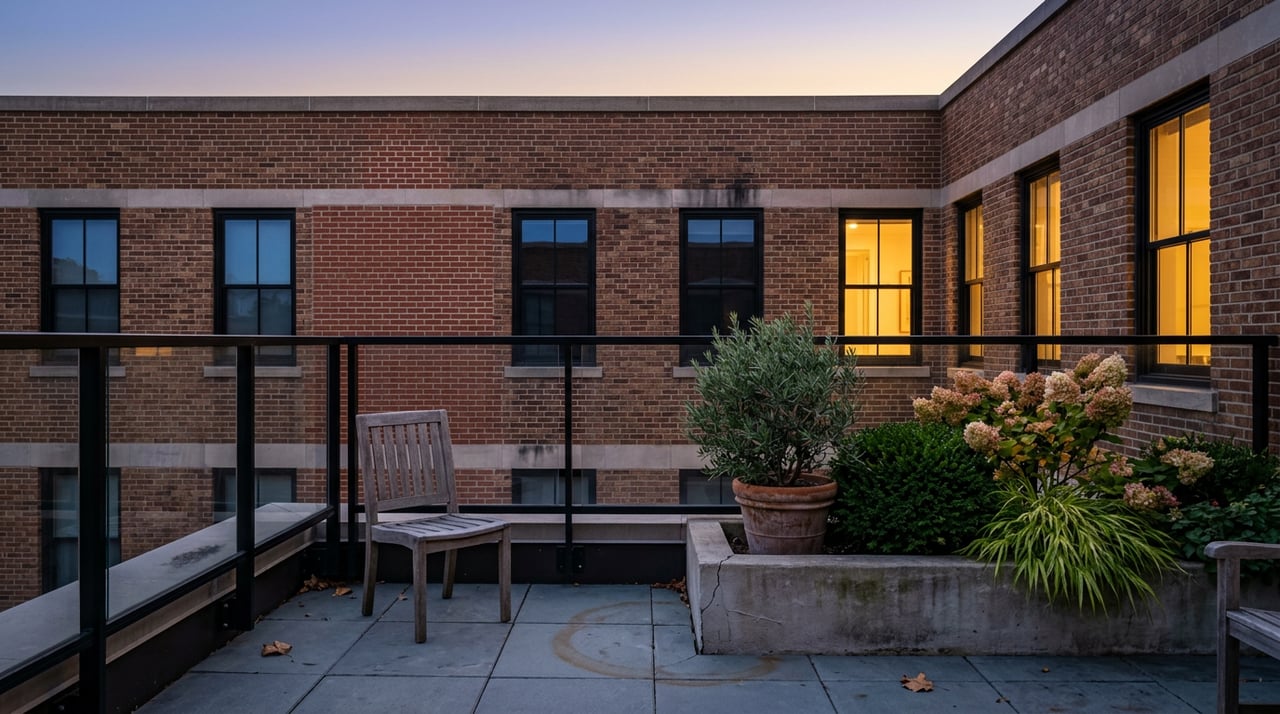
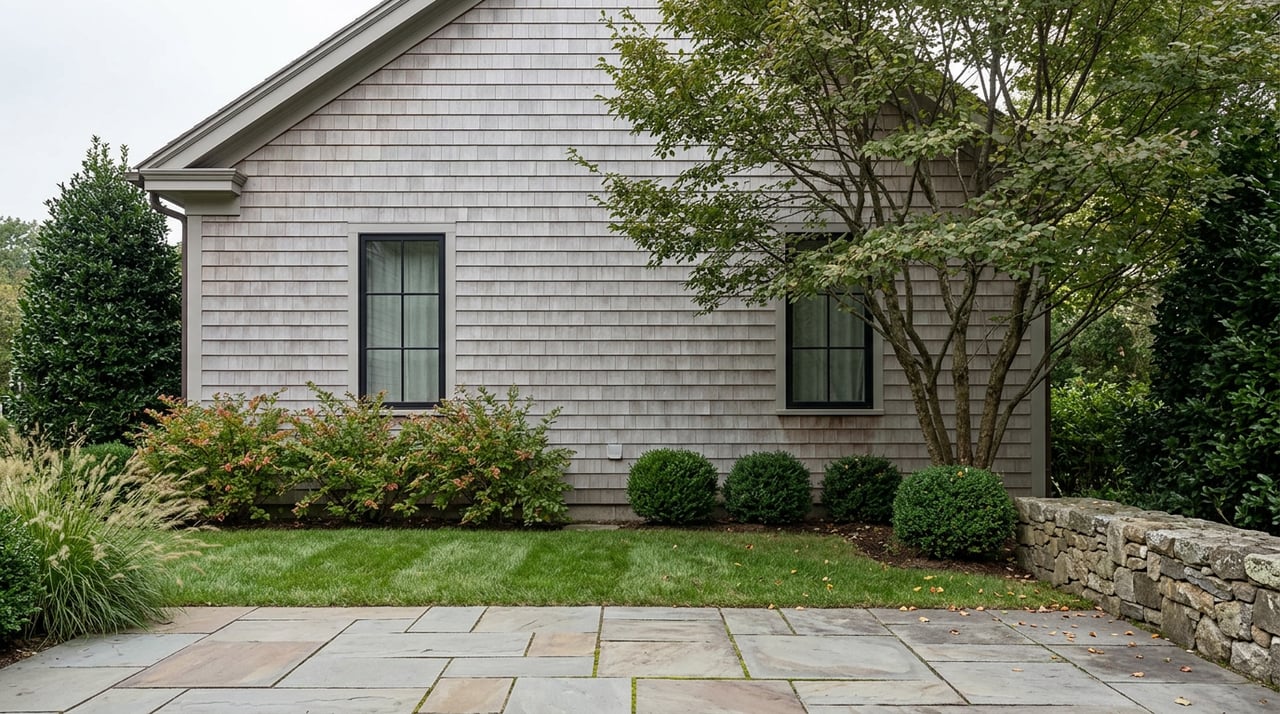
- Outdoor areas that look tidy and usable
This is also where thoughtful listing copy matters. The NAR guidance on listing visibility and buyer response supports highlighting features tied to everyday living, such as flexible office or guest space, energy-efficient upgrades, smart-home features, and usable outdoor areas.
Know when permits may matter
Cosmetic touch-ups are one thing. Larger work is another.
If your pre-sale project goes beyond painting, cleaning, or simple repairs, it is wise to check requirements early. The Rye Brook Building Department handles plan review, permit issuance for building, demolition, plumbing, electrical, and sprinkler work, as well as inspections and certificates of occupancy or compliance.
This is one reason not to leave prep until the last minute. If you discover a permit issue or need approvals for certain work, your timeline can change quickly.
Why vendor coordination can make or break your timeline
One of the biggest reasons listings get delayed is not the work itself. It is the order of the work.
For example, painting should usually happen before professional cleaning and staging. Landscaping should be scheduled before photography. Small handyman items should be wrapped up before the stager and photographer arrive.
A well-managed timeline often includes:
- Decluttering and packing
- Handyman repairs
- Painting and cosmetic touch-ups
- Flooring or carpet cleaning
- Landscaping and exterior cleanup
- Deep cleaning
- Staging or styling
- Professional photography
- Listing launch
This is where a vetted contractor and vendor network can save time and reduce stress. When everyone works from one timeline, your home is more likely to hit the market in its best condition.
What is worth the money and what is not
Most sellers do not need a full renovation before listing. In many cases, the best returns come from making the home feel clean, bright, and easy to picture living in.
Worth considering:
- Decluttering and storage edits
- Deep cleaning
- Neutral paint
- Minor repairs
- Landscape refresh
- Light staging or styling
- Professional photography
Often less effective right before listing:
- Major remodels without enough time to finish properly
- Highly personal design choices
- Over-improving one room while the rest of the house remains untouched
NAR found that some agents reported a 1% to 5% increase in dollar value offered after staging, and others said staging greatly reduced time on market. The median spend when using a staging service was $600, according to the 2025 NAR staging snapshot. That supports a measured, strategic approach instead of an all-or-nothing one.
If you need to launch quickly
Not every seller has 90 days to prepare. If your timeline is compressed, focus on the highest-impact items first.
In a faster launch, prioritize:
- Decluttering visible areas
- Deep cleaning the whole home
- Repairing obvious defects
- Refreshing paint where needed most
- Improving curb appeal
- Styling the key rooms for photos
If you cannot do everything, do the things buyers will notice immediately online and during the first showing. That usually means the front exterior, entry, living room, kitchen, primary bedroom, and bathrooms.
Selling well is rarely about doing the most. It is about doing the right things in the right order. If you are getting ready to sell in Rye Brook, Elana Zimmerman can help you build a smart prep plan, connect with trusted vendors, and launch with a marketing strategy designed to maximize visibility and confidence.
FAQs
What should you do first when preparing a Rye Brook home for sale?
- Start with decluttering, deep cleaning, and fixing visible issues like scuffed walls, loose hardware, and minor leaks so your home feels well maintained from the start.
Which updates are usually worth it before listing a Rye Brook home?
- Light cosmetic improvements such as neutral paint, flooring refreshes, grout cleaning, landscaping, and minor repairs usually offer a better visual payoff than major remodels.
Which rooms matter most when staging a Rye Brook home for sale?
- The living room, kitchen, primary bedroom, dining room, and bathrooms typically matter most because they shape early buyer impressions and listing photos.
When do permits become an issue for Rye Brook home sale prep?
- Permits may matter when work goes beyond cosmetic updates and involves building, plumbing, electrical, demolition, or similar changes handled through the Rye Brook Building Department.
Why does vendor coordination matter before listing a Rye Brook home?
- Vendor coordination helps keep repairs, painting, cleaning, staging, landscaping, and photography in the right order so your listing can launch on schedule and in top condition.
How should you prepare a Rye Brook home for sale if you need to list fast?
- Focus first on decluttering, cleaning, curb appeal, obvious repairs, and getting the most important rooms ready for professional photography and showings.