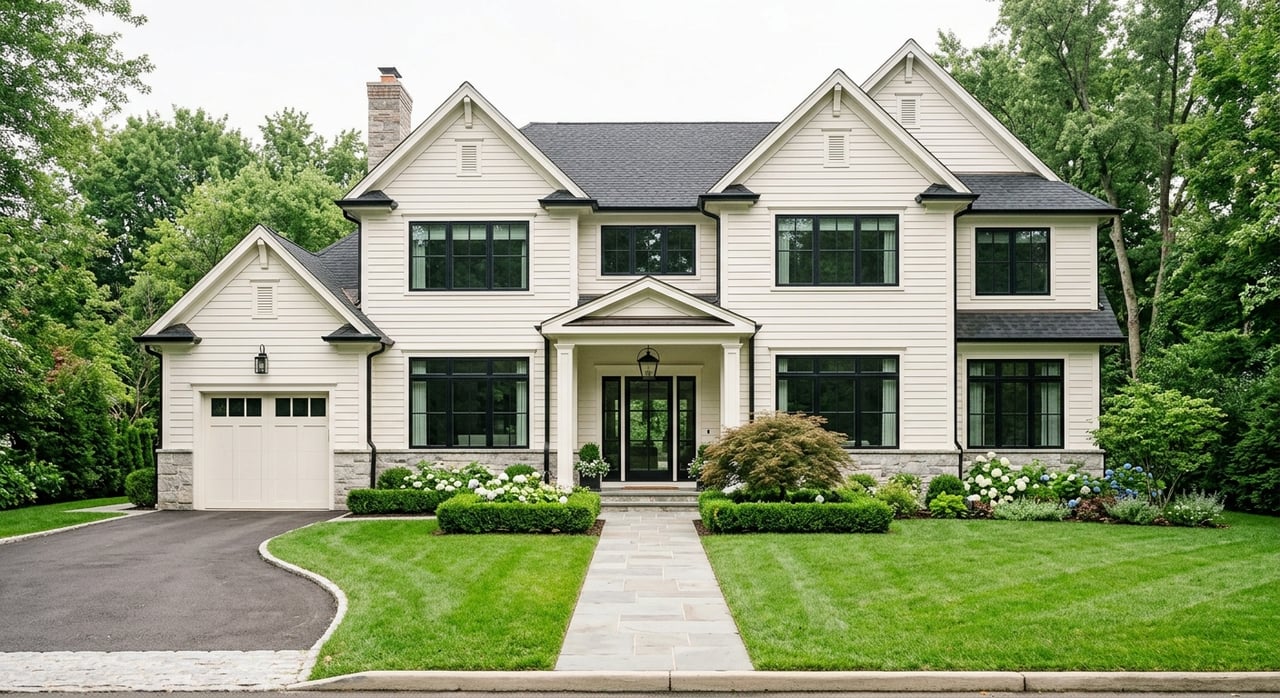
If you are choosing between Rye Brook and its nearby villages, the real question is not just price. It is how you want to live day to day. Do you want a more road-oriented suburban setting, a walkable downtown, easier drive-to-train access, or a broader mix of housing options? This guide will help you compare Rye Brook with Port Chester, Harrison, and Rye so you can narrow your search with more confidence. Let’s dive in.
How Rye Brook Fits the Market
Rye Brook sits in a middle-to-upper-tier price band for this part of Westchester. According to Redfin’s Rye Brook market data, the median sale price was $1,052,994 in February 2026.
That places Rye Brook above nearby Port Chester, where Redfin reported a median sale price of $815,000, and close to Harrison and Rye. In February 2026, Harrison’s median sale price was $1,135,000, while Rye’s was $1,125,000.
For many buyers, that means Rye Brook can feel like a strong middle ground. You are shopping in a market with pricing that is higher than the most affordable nearby option, but still generally in line with other sought-after villages in the area.
Compare Home Prices Nearby
| Village | Median Sale Price | General Position |
|---|---|---|
| Port Chester | $815,000 | Lower-price comparison point |
| Rye Brook | $1,052,994 | Middle-to-upper tier |
| Rye | $1,125,000 | Premium nearby benchmark |
| Harrison | $1,135,000 | Similar upper-tier range |
Price matters, but it is only part of the decision. The bigger difference often comes down to housing style, daily convenience, and commute patterns.
Rye Brook Housing Style
Rye Brook is described in the village planning materials as predominantly suburban. Its layout includes fairly large blocks and a main corridor along South Ridge Street, with a village center that includes single-family homes, two- and three-family homes, and some scattered multifamily properties on smaller lots, according to the Village Center planning document.
That mix can appeal if you want a low-rise residential feel without giving up everyday convenience. The same planning document also notes that the village center has a more auto-oriented character and limited pedestrian continuity, which is important if walkability is high on your list.
In simple terms, Rye Brook tends to suit buyers who want a suburban setting first, with retail access as a practical bonus rather than a fully walkable lifestyle.
Port Chester Feels More Urban
If you compare Rye Brook with Port Chester, the biggest shift is density. Port Chester’s planning materials describe a mix of single-family homes, duplexes, and larger multifamily buildings, including 2,012 units in buildings with 20 or more apartments, according to the village’s downtown and planning materials.
Those same materials emphasize mixed-use downtown development and apartments over retail. For buyers, that usually means a denser, more walkable environment with a more traditional downtown experience than you would typically find in Rye Brook.
If your ideal routine includes being closer to restaurants, shops, and transit on foot, Port Chester may feel more aligned. If you prefer a quieter, more road-based suburban setup, Rye Brook may be the better fit.
Harrison Offers More Variety
Harrison often appeals to buyers who want options. The town’s official planning materials describe a range of housing densities, including large-lot suburban residences, smaller-lot single-family homes, two-family residences, and residences above retail in downtown areas, as outlined in the adopted master plan.
The current Town of Harrison overview also describes both expansive residential areas and vibrant downtown neighborhoods. That gives Harrison a wider range of living environments than many buyers expect when they first start searching.
If you are still deciding between a classic suburban lot and a more connected downtown-adjacent lifestyle, Harrison can offer a broader menu of options.
Rye Is a Premium Benchmark
Rye is often a useful benchmark if you are shopping at the higher end of this local market. Recent sales examples on Redfin’s Rye market page show a broad spread, from a two-bedroom condo to a much larger detached home with over 7,000 square feet.
That suggests a market with both attached homes and high-end detached properties. For buyers, Rye can represent a more premium comparison point, especially if you are looking for a wider range of product types within a similarly competitive price band.
Commute and Transit Matter More Than You Think
For many buyers, the best comparison is not simply which village has train access. It is whether the home you choose will function as a walk-to-station, drive-to-station, or road-first property.
Rye Brook is more road-oriented. The village’s public works information identifies major nearby routes such as I-287, I-95, the Hutchinson River Parkway, King Street, Westchester Avenue, and Bowman Avenue. In practical terms, many buyers in Rye Brook look at how easily they can drive to nearby Metro-North stations.
Nearby station options include the Port Chester station, the Rye station, and the Harrison station. All three are accessible New Haven Line stops, and Harrison also has a commuter parking garage nearby.
That distinction can have a big impact on your daily routine. If you want your commute built around driving convenience and regional road access, Rye Brook may check the box. If you want a more station-centered lifestyle, nearby villages may deserve a closer look.
Everyday Convenience in Rye Brook
One of Rye Brook’s strengths is that it combines a suburban setting with a concentrated retail core. The village center plan identifies Rye Ridge Shopping Center and Washington Park Plaza as the main retail nodes, with uses that include grocery, hardware, pharmacies, banking, dining, clothing, and other daily needs, according to the village center planning document.
That can be especially appealing if you want practical convenience without living in a denser downtown. You may not get the same pedestrian experience as Port Chester, but you still get access to many everyday errands close to home.
Parks and Recreation Comparison
Rye Brook also offers a compact but useful park network. The village lists several parks, including Pine Ridge Park, Garibaldi Park, Rye Hills Park, Harkness Park, Rye Brook Athletic Fields, Magnolia Park, and Rich Manor Park on its parks page.
Rye Hills Park stands out for its walking trail, basketball court, three pickleball courts, game tables, and belvedere. For buyers who value nearby recreation, that kind of amenity package can add to Rye Brook’s appeal.
Nearby villages offer their own versions of this lifestyle benefit. Port Chester’s planning materials highlight multiple parks, waterfront amenities, and public spaces within a walkable downtown framework. Harrison’s town information points to a broad list of parks and recreation resources, while Rye’s Recreation Department maintains parks and facilities including Recreation Park.
Which Village May Fit You Best
If you are trying to decide where to focus your search, these simple buyer profiles can help.
Choose Rye Brook if you want suburban balance
Rye Brook may be the right fit if you want:
- A suburban, low-rise setting
- Strong road access
- Convenient retail clusters for errands and dining
- Housing that leans single-family and low-rise
- A location priced near Rye and Harrison, but with a distinct village-center feel
Choose Port Chester if you want walkability
Port Chester may be the better fit if you want:
- A denser housing mix
- More multifamily inventory
- A traditional downtown feel
- Walkable access to shops, restaurants, and transit
Choose Harrison if you want more housing variety
Harrison may be worth prioritizing if you want:
- More lot-size flexibility
- Both suburban and downtown-style options
- Direct rail access as part of daily life
- A broad range of neighborhood types
Choose Rye if you want a premium comparison point
Rye may be a better match if you want:
- A broader spread of home types
- A nearby premium market benchmark
- Options ranging from condos to larger detached homes
Questions to Ask Before You Buy
When buyers compare Rye Brook with nearby villages, the smartest approach is to focus on lifestyle first and then match that to budget.
Ask yourself:
- Do you want detached-home privacy or a more mixed-use environment?
- Will your commute work better if you can walk to a station, or are you comfortable driving?
- Do you want a compact village retail node or a larger downtown setting?
- Are you looking for the lowest entry point nearby, or the right balance of price and suburban feel?
Those questions usually bring the right answer into focus faster than price alone.
If you are weighing Rye Brook against Port Chester, Harrison, or Rye, a local comparison can save you time and help you focus on the villages that truly match your goals. If you want tailored guidance on pricing, property types, and the tradeoffs between nearby Westchester communities, connect with Elana Zimmerman. Your next chapter starts here.
FAQs
What is the median home price in Rye Brook compared with nearby villages?
- In February 2026, Rye Brook’s median sale price was $1,052,994, compared with $815,000 in Port Chester, $1,135,000 in Harrison, and $1,125,000 in Rye.
Is Rye Brook more suburban than Port Chester?
- Yes. Rye Brook is described in village planning materials as predominantly suburban and more auto-oriented, while Port Chester has a denser, more walkable downtown and more multifamily housing.
Do homebuyers in Rye Brook usually drive to the train?
- Rye Brook is more road-oriented, so many buyers compare how easily they can reach nearby Metro-North stations in Port Chester, Rye, or Harrison rather than expecting a station within the village itself.
What kinds of homes can buyers find in Harrison compared with Rye Brook?
- Harrison’s official materials describe a wider range of housing densities, including large-lot homes, smaller-lot single-family homes, two-family residences, and residences above retail, while Rye Brook generally leans more suburban and low-rise.
Does Rye Brook have convenient shopping and parks for daily life?
- Yes. Rye Brook’s village center includes core retail nodes with everyday services and dining, and the village parks system includes several local parks such as Rye Hills Park with walking and recreation amenities.