If you want a Westchester lifestyle with real walkability, Downtown White Plains stands out fast. It gives you the energy of a compact city center without asking you to give up the conveniences many suburban buyers still want. Whether you are relocating, downsizing, or simply curious about the area, understanding the day-to-day rhythm matters. Here’s what it’s actually like to live in Downtown White Plains.
Downtown White Plains feels urban and suburban
One of the best ways to describe Downtown White Plains is as an urban-suburban blend. The city’s downtown core, called the Heart of White Plains in recent planning materials, covers about 0.4 square miles and packs in housing, dining, transit, and daily services in a compact area.
At the same time, this is still White Plains, not Manhattan. You get a denser, more active downtown environment, but you also have structured parking, access to larger parks nearby, and the broader framework of a suburban city. For many buyers, that balance is the main appeal.
Walkability is one of the biggest perks
If you picture yourself grabbing coffee, picking up dinner, heading to the train, and running errands on foot, downtown is the part of White Plains where that routine is most realistic. City planning materials note that daily errands in the downtown core can be done without a car.
The most pedestrian-friendly areas center around Main Street, Mamaroneck Avenue, Renaissance Plaza, and the station area. That means your day can feel more flexible and less car-dependent than it might in many nearby suburban communities.
A car-light lifestyle is possible
For many households, living downtown without relying on a car every day is very doable. The combination of a highly walkable core, a major train station, and local and regional bus connections supports that kind of routine.
That said, downtown White Plains is not fully car-free in feel or function. It is better understood as car-light. You can do a lot on foot or by transit, but many residents still value having a car for weekend errands, larger shopping runs, or trips around Westchester.
Commuting is a major advantage
Transit is central to daily life here. The White Plains Metro-North station is a major Harlem Line hub and, according to the MTA, the third largest Metro-North station.
The station also plays an outsized role in the area’s energy and pace. Before the pandemic, the MTA reported more than 12,000 commuters on a typical weekday and about 3,000 daily bus transfers, which helps explain why downtown often feels active and connected.
The station is set up for everyday use
The White Plains station is ADA accessible and includes an elevator, tactile warning strips, audiovisual passenger information systems, six ticket machines, and public restrooms. It also connects directly to Bee-Line, CTtransit, Hudson Link, and regional coach lines.
For anyone relocating from New York City or another transit-oriented area, this infrastructure matters. It makes downtown feel more practical for everyday commuting, not just convenient on paper.
Dining is part of the lifestyle
Downtown White Plains has a strong restaurant scene, and that shapes the local experience in a real way. The White Plains Business Improvement District maintains a dining directory and regularly promotes the area’s restaurants through seasonal campaigns and restaurant-focused events.
If you enjoy being able to meet friends for dinner, try a new spot on a weeknight, or keep your weekends spontaneous, this is one of downtown’s strongest lifestyle features. Dining is not a side benefit here. It is part of the identity of the neighborhood.
Events keep the area active
Downtown has a weekly and seasonal rhythm that adds to its appeal. Court Street Market is currently promoted as a Wednesday market in the heart of downtown, while Rock the Block brings live music, outdoor dining, and family activities to Mamaroneck Avenue during the summer.
The city also highlights events like the annual Wing Walk, which sends visitors through downtown restaurants to sample different flavors. Together, these programs make downtown feel active and social, especially in warmer months.
Arts and culture are easy to access
Downtown White Plains is not just about restaurants and commuting. It also has a visible cultural layer that gives the area more depth than a typical business district.
Key institutions include the White Plains Performing Arts Center, ArtsWestchester, Downtown Music at Grace, and the White Plains Public Library. For households with children or teens, the city specifically highlights the library’s Trove children’s space and Edge teen space.
Public art shapes the streetscape
Another detail that stands out is how public art appears in everyday spaces. ArtsWestchester has supported murals and public art installations downtown in recent years, including pieces tied to redevelopment efforts and public art festivals.
That means culture shows up on the street, not only inside venues. It adds visual interest and helps parts of downtown feel more lived-in and layered.
Outdoor space is smaller but still useful
If your ideal lifestyle includes large parkland right outside your front door, downtown White Plains may feel different from some other Westchester settings. The downtown core leans more toward small civic green spaces than big recreational parks.
Renaissance Plaza is a 0.36-acre passive park with fountains, benches, shade trees, and event programming. Tibbits Park also offers benches, fountains, statues, and a gazebo, making both spaces useful for a quick outdoor break rather than a full afternoon of recreation.
Bigger recreation is nearby
For more active outdoor time, residents often look beyond the smallest downtown spaces. Gillie Park and Delfino Park offer larger amenities such as tennis, fields, playgrounds, picnic areas, and an ice rink at Delfino.
In practical terms, that means downtown living often combines short walks and casual outdoor stops with planned trips to bigger recreation spaces. For many buyers, that is a comfortable tradeoff for better walkability and transit access.
Parking is part of everyday life
Even in a walkable downtown, parking still matters, and White Plains has built real infrastructure around it. The city operates eight garages, 23 surface lots, and more than 13,000 spaces citywide.
Downtown also includes metered parking, permit parking, valet parking, and EV charging. On-street meters in the downtown area are enforced Monday through Saturday from 9 a.m. to 9 p.m. and are free on Sundays and certain holidays.
You do not have to choose between transit and driving
One reason Downtown White Plains works for a broad range of residents is that it supports both. You can commute by train, walk to dinner, and still keep a car for the rest of your life outside the downtown core.
That flexibility makes the area especially appealing if you are moving from a denser city neighborhood but are not ready for a fully car-dependent suburb. It gives you options instead of forcing an all-or-nothing lifestyle.
Biking is more practical than many expect
Biking may not be the first thing buyers associate with White Plains, but the city has made it more viable. White Plains reports more than 5 miles of designated bike lanes, including a protected bike lane on Martine Avenue, the first protected bike lane in Westchester County.
Bike parking is also available at several downtown garages and lots. If you like using a bike for short trips or first-and-last-mile commuting, that is a meaningful quality-of-life detail.
Housing demand fits the downtown story
Downtown White Plains is not standing still. The city reports that more than 3,000 downtown residential units have been built or are in the approval process, which reflects continued confidence in the area as a place people want to live.
That growth supports what many buyers already sense when they visit. Downtown White Plains is evolving as a more established residential destination, not just a place where people work, commute through, or meet for dinner.
Who Downtown White Plains fits best
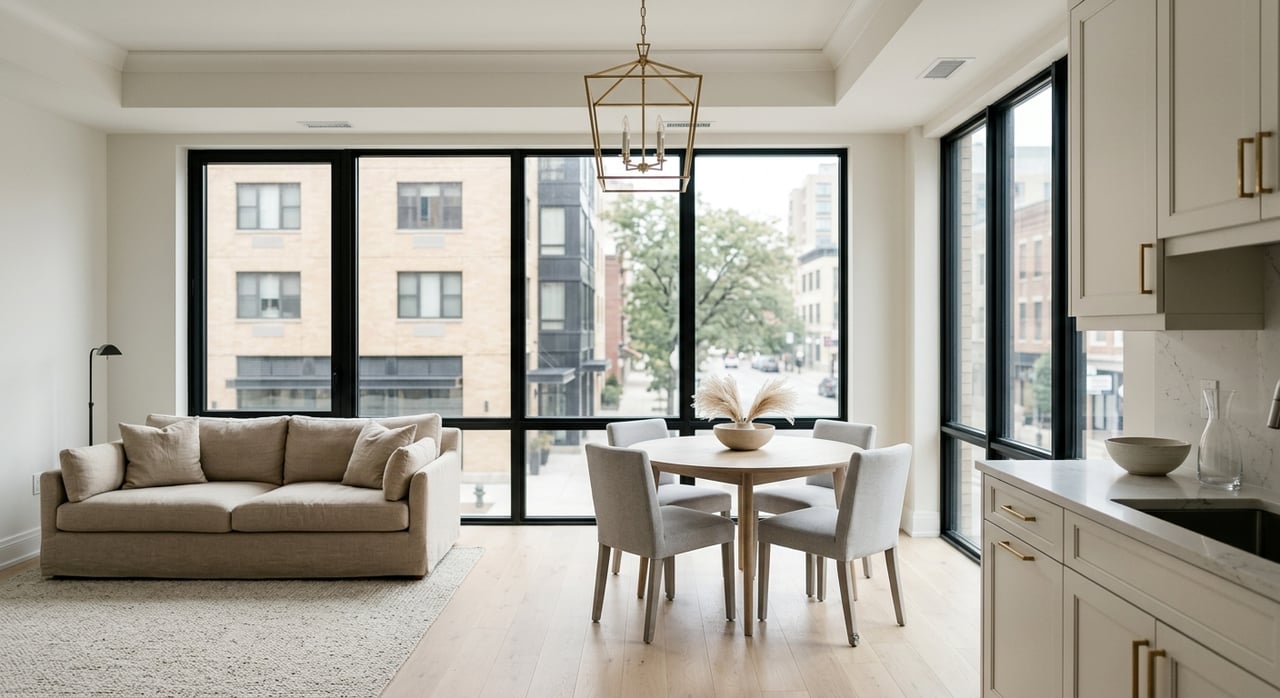
Downtown White Plains often appeals to buyers who want convenience, mobility, and a more active daily routine. If you value walkability, easy train access, dining options, and a mix of services close to home, it can be a strong match.
It may be especially attractive if you are relocating from New York City, moving within Westchester, or looking for a condo or co-op lifestyle with less dependence on a car. Just as important, it helps to go in with the right expectations: this is a lively downtown with commuter traffic and event activity, not a quiet residential enclave.
If you are weighing White Plains against other Westchester communities, the right fit often comes down to how you want your everyday life to feel. If you want help comparing neighborhoods, commute patterns, and housing options across central and southern Westchester, Elana Zimmerman can help you make a confident move.
FAQs
Can you live in Downtown White Plains without a car?
- For many households, yes. The downtown core is highly walkable, transit is central to daily life, and parking is available if you still choose to keep a car.
Does Downtown White Plains feel busy or quiet?
- Downtown White Plains generally feels active, especially on weekdays and during events, because it is a business, government, dining, and transit hub.
Is Downtown White Plains more urban or suburban?
- The most accurate description is both. It offers urban-style density, transit, and walkability, along with suburban features like structured parking, access to larger parks, and a broader suburban city setting.
What is there to do in Downtown White Plains?
- Popular lifestyle features include restaurants, seasonal events, Court Street Market, Rock the Block, the Performing Arts Center, ArtsWestchester, the public library, and public art throughout downtown.
Is Downtown White Plains good for commuters?
- Yes. The Metro-North station is a major Harlem Line hub with bus connections, accessibility features, and a strong role in the daily rhythm of the neighborhood.