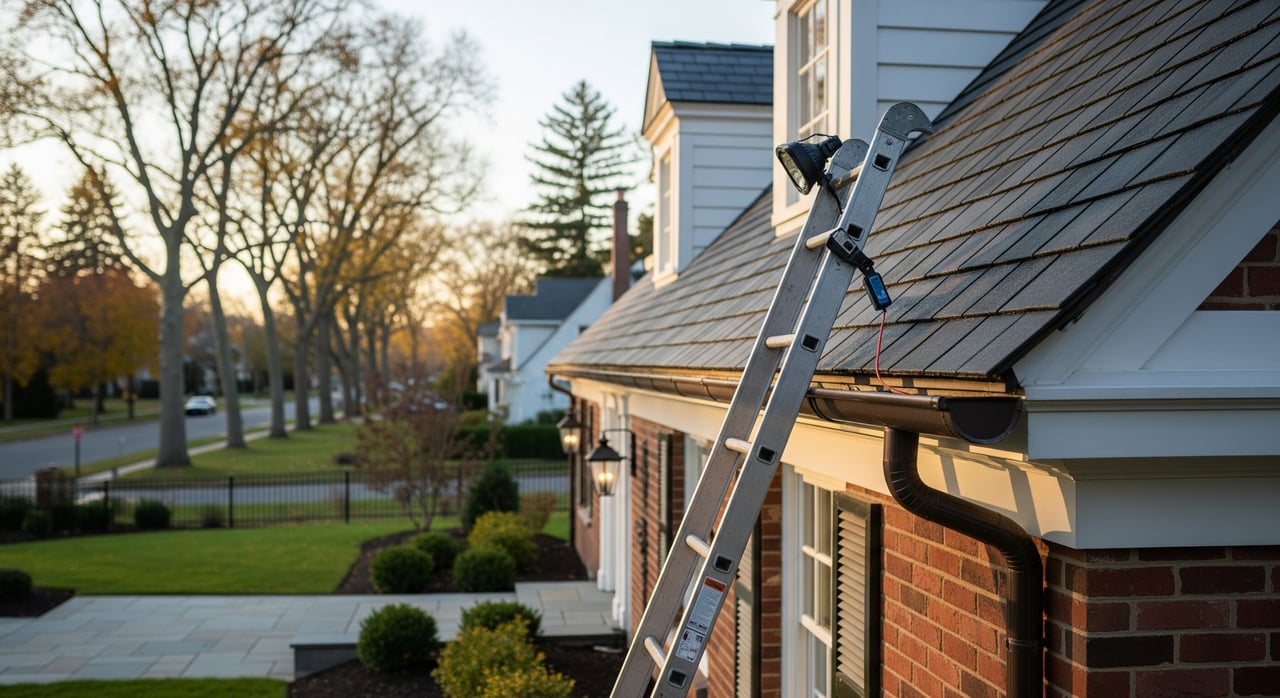
You found a home in White Plains that checks your boxes. Now you are staring down the inspection and wondering what is normal, what is fixable, and what could derail your plans. You are not alone, especially if you are moving from the city and buying your first suburban house. This guide walks you through the White Plains inspection process, what inspectors look for in Colonials, Tudors, and ranches, how long each step takes, typical costs, and smart ways to negotiate based on your report. Let’s dive in.
What to expect in White Plains homes
White Plains has many pre and mid 20th century houses alongside later builds. Older systems and original materials are common, so inspectors focus on age, safety, and maintenance. Basements often show moisture stains because of local hills and valleys, and roof and chimney wear comes up frequently in older homes. You should also expect close attention to electrical panels and wiring, stucco or masonry cracking, and mature trees near foundations or sewer lines.
Common local issues buyers see:
- Heating systems: older oil or natural gas boilers are common. Inspectors check age, service history, and venting.
- Basements and drainage: stains, dampness, or grading and gutter issues that push water toward the house.
- Roofing and chimneys: aging roof coverings, complex valleys and flashing, and masonry chimney wear.
- Electrical: older panels or wiring types, grounding, and capacity questions.
- Stucco and masonry: cracks, settling, and possible moisture behind cladding.
- Trees and lot features: roots near sewer lines and branches that affect roofs and gutters.
A private home inspection is not a municipal code inspection. If you plan renovations or if repairs require permits, you will still work with the White Plains Building Department for permits and municipal inspections.
Your inspection timeline
Most buyers follow a simple sequence after the offer is accepted:
- Hire a licensed or certified home inspector. Ask for credentials, insurance, and a sample report.
- Schedule the general inspection within your inspection contingency window.
- Receive the written report, typically within 24 to 48 hours.
- Order any follow up tests, such as radon, sewer scope, pest, chimney, or lead and asbestos if needed.
- Negotiate repairs, credits, or price adjustments within your contingency deadline.
- If repairs are agreed, decide whether they will be completed before closing or handled through an escrow or credit.
Timing to plan for in Westchester transactions:
- Inspection contingency: commonly 7 to 10 days, but this is negotiable and set by your contract and market conditions.
- Inspection appointment: about 2 to 4 hours for a typical single family home.
- Report delivery: usually 24 to 48 hours.
- Radon test: short term tests need 48 to 72 hours in place, then results usually arrive the same day or within 1 to 3 days.
- Sewer scope: scheduling can take 3 to 14 days, and the scope itself takes 30 to 90 minutes.
- Specialists: structural engineers, HVAC techs, or chimney inspectors often book 1 to 3 weeks out.
If you need specialists, request a reasonable extension to protect your inspection rights. In a competitive offer, shortening or waiving the inspection contingency increases risk, since you lose leverage and may face unknown costs later.
Focus areas by house type
Colonial homes
- Roof and flashing at valleys and dormers, where water concentrates.
- Floor and ceiling levelness, settling cracks in foundations or interior masonry.
- Aging mechanicals, including multi zone hydronic systems and boiler service history.
- Attic insulation and ventilation, especially in older builds that may lack baffles.
- Original windows and sash operation, energy loss, and lead paint risk if built before 1978.
Tudor homes
- Complex roof geometry, valleys, and penetrations that can drive leaks.
- Stucco and masonry transitions, where flashing can fail and let in moisture.
- Masonry chimneys, crowns, and flashing integrity.
- Exterior wood trim and half timbering, which can rot where wood meets stucco or masonry.
Ranch homes
- Foundation type: slab and crawl spaces have different moisture and plumbing access issues.
- Roof edges and eaves: single story designs mean leaks affect living areas quickly.
- Septic versus sewer: some ranch homes may have septic systems that require a dedicated inspection and pump records.
- Mechanicals: often accessible, but older units may be undersized or near end of life.
Cross type concerns in older homes
- Lead based paint risk in pre 1978 homes. Federal disclosure rules apply and buyers may test if concerned.
- Oil tanks and past fuel storage, especially in homes converted to gas. Locating and testing may be needed.
- Tree roots affecting sewer lines and driveways.
Negotiating after the inspection in White Plains
Your options after the report are straightforward. You can accept the home as is, request seller repairs by licensed contractors, ask for a credit or price reduction, negotiate an escrow holdback, or cancel if your contingency allows for it. Safety issues typically come first, followed by major systems and then routine maintenance. Keep the focus on items that affect livability, safety, and significant cost.
What sellers often agree to versus resist:
- Sellers commonly agree to address safety items, replace defective but affordable systems like a water heater, or provide a credit for smaller repairs.
- Sellers often resist paying for full foundation work, large scale basement waterproofing, or full system replacements unless the market favors buyers.
- In multiple offer situations, you may be pressured to limit requests. In a balanced or buyer friendly market, you may have more room to negotiate.
Tips for a smoother negotiation
- Prioritize your list: safety, major systems, then maintenance. Keep cosmetic requests minimal.
- Support requests with written estimates or specialist reports. Sellers respond better to documented costs.
- Set clear deadlines for repair completion and re inspection or agree on a fair credit or escrow amount.
- Put everything in writing using the amendment forms required by your contract.
Extra tests, costs, and permits
Additional tests many White Plains buyers consider:
- Radon test: radon is a naturally occurring gas that can enter basements or lower levels. The EPA action level is 4.0 pCi/L, and mitigation is recommended at or above that level.
- WDI or pest inspection: checks for wood destroying insects such as termites.
- Sewer scope: a small camera checks the main sewer line for root intrusion, breaks, or grease buildup.
- Lead paint testing: relevant for homes built before 1978.
- Oil tank search or testing: useful for properties with present or past oil heat.
- Mold, asbestos, or indoor air quality testing: when visible concerns or suspect materials appear.
- Septic inspection: required if the property is on septic, often with a pump and evaluation.
Typical cost ranges to budget:
- General home inspection: about 300 to 700 dollars, depending on size and scope.
- Radon test: about 100 to 200 dollars.
- Sewer scope: about 150 to 500 dollars.
- WDI or pest inspection: about 75 to 200 dollars.
- Specialists, such as a structural engineer or HVAC evaluation: about 300 to 1,000 dollars or more based on complexity.
These are ballpark figures and local pricing in Westchester can be higher. Get local quotes before you finalize your budget.
Permits and municipal considerations:
- Some repairs require permits and municipal inspections through the White Plains Building Department. Confirm permit requirements for any major work.
- A private inspection does not replace local code enforcement. If unpermitted work is suspected, factor that risk into your negotiations.
Practical next steps for buyers
- Select your inspector as soon as your offer is accepted, and confirm your inspection contingency deadline.
- Attend the inspection if you can. It is a hands on way to learn how the systems work and what to maintain.
- Review your report quickly. If major issues appear, schedule specialists right away and request time extensions as needed.
- Prioritize your repair or credit requests based on safety, function, and cost effectiveness. Get one to two estimates for bigger items.
- Confirm whether any agreed repairs require permits and who will obtain them.
- If you consider waiving or shortening the contingency in a competitive offer, document the risks and long term costs you may take on.
Avoiding common mistakes
Do not wait to schedule follow up tests, since radon and sewer scopes add days to your timeline. Do not treat every maintenance note as a deal breaker, focus on safety and big ticket systems first. Avoid vague requests, and instead present clear items with estimates. Finally, keep your contingency dates front and center so you preserve your options.
Ready to move forward?
You deserve an inspection plan that fits the White Plains market and your goals. If you want help prioritizing repairs, securing estimates, or negotiating smart credits, tap into a vetted local network and steady guidance. Connect with Elana Zimmerman for calm, data informed buyer representation and renovation savvy advice. Your Next Chapter Starts Here.
FAQs
Do I need every inspection test for a White Plains home?
- Not always. Choose based on risk signals, for example radon if there is a basement, a sewer scope for older lines or big trees, WDI for older wood framing, and lead or asbestos testing if materials are suspected.
How long does a home inspection and report take in Westchester?
- A typical single family inspection takes about 2 to 4 hours, and you usually receive the written report within 24 to 48 hours.
Can I cancel my White Plains contract after a bad inspection?
- Usually yes if your contract includes an inspection contingency and you act within the deadline. Your specific rights come from the purchase contract, so review it with your agent or attorney.
Who pays for home inspections in a purchase?
- Buyers typically pay for the inspections they order, including the general inspection and any specialist tests. Sellers pay for agreed repairs or provide credits.
Should I attend the inspection for a house I am buying?
- Yes. Attending helps you understand the home’s systems, ongoing maintenance, and potential future costs.
What is radon and when is mitigation recommended?
- Radon is a naturally occurring gas that can accumulate in lower levels. The EPA recommends mitigation at or above 4.0 pCi/L, and short term tests typically take 48 to 72 hours to complete.