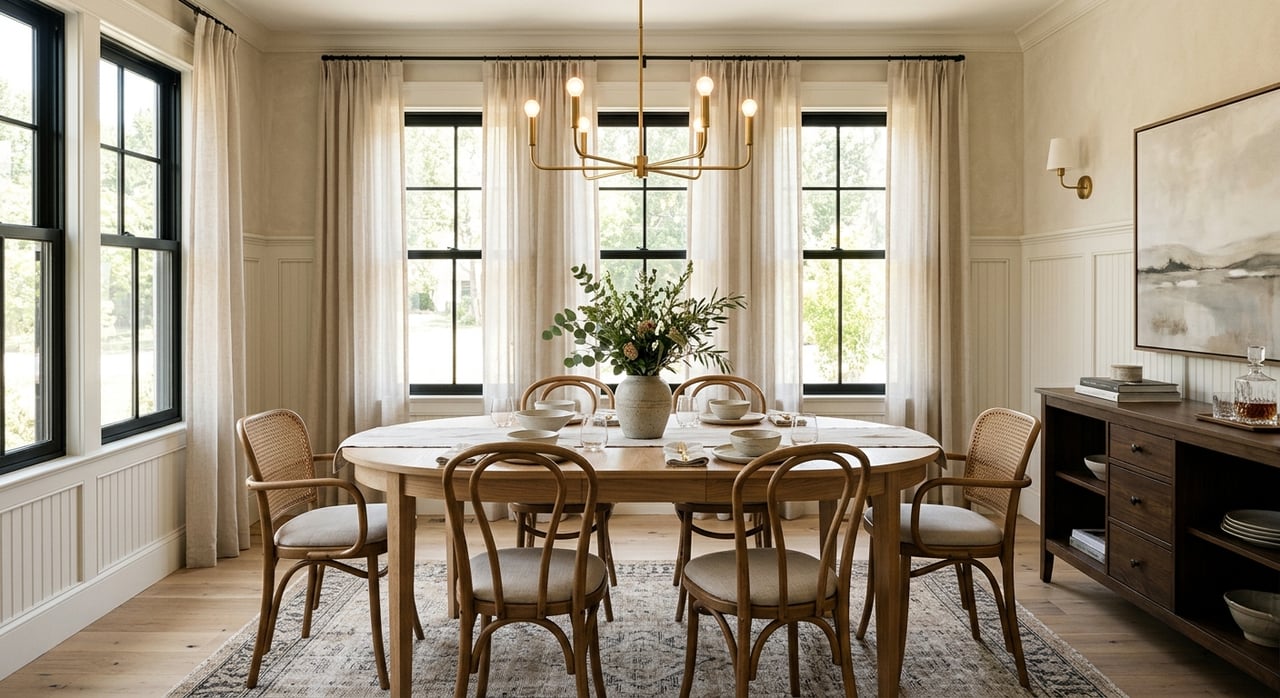
Selling a Larchmont Colonial is not about making it trendier. It is about helping today’s buyer see the home’s balance, character, and livability the moment they scroll past the first photo. In a market where homes move quickly and presentation matters, thoughtful staging can shape that first impression in a meaningful way. If you are preparing to list, this guide will show you where to focus, what to update, and how to make your home feel current without stripping away what makes it special. Let’s dive in.
Why staging matters in Larchmont
Larchmont has a strong connection to Colonial Revival architecture, especially in areas shaped by early 20th-century development. The village’s historic resource survey notes that many homes built in the 1920s were Colonial Revival, often alongside other period styles that still define the local housing stock today.
That matters because buyers are not just shopping for square footage. They are also responding to proportion, flow, and architectural detail. A well-staged Colonial helps those features read clearly, both in person and online.
Presentation carries extra weight in Larchmont’s price range. Zillow’s April 2026 market page reported an average home value of $1,680,269, a median list price of $1,456,000, and median days to pending of 11. In a fast-moving market like that, strong visuals and a clear first impression can help your home compete from day one.
Staging also has measurable value. According to the National Association of Realtors’ 2025 staging survey, 83% of buyers’ agents said staging made it easier for buyers to visualize a property as a future home. The same survey found that 49% of sellers’ agents reported reduced time on market, and 29% reported a 1% to 10% increase in the dollar value offered.
Start with the Colonial’s strengths
A Colonial Revival home usually works best when it feels balanced, calm, and uncluttered. The National Park Service describes the style with hallmark features like symmetry, pronounced entries, gabled or hipped roofs, fan or Palladian windows, and restrained ornament.
That architectural language gives you a clear staging direction. Instead of layering on lots of decor, you want to highlight symmetry, open sightlines, and the details that give the home its identity. The goal is not to modernize every room. The goal is to let buyers notice what is already working.
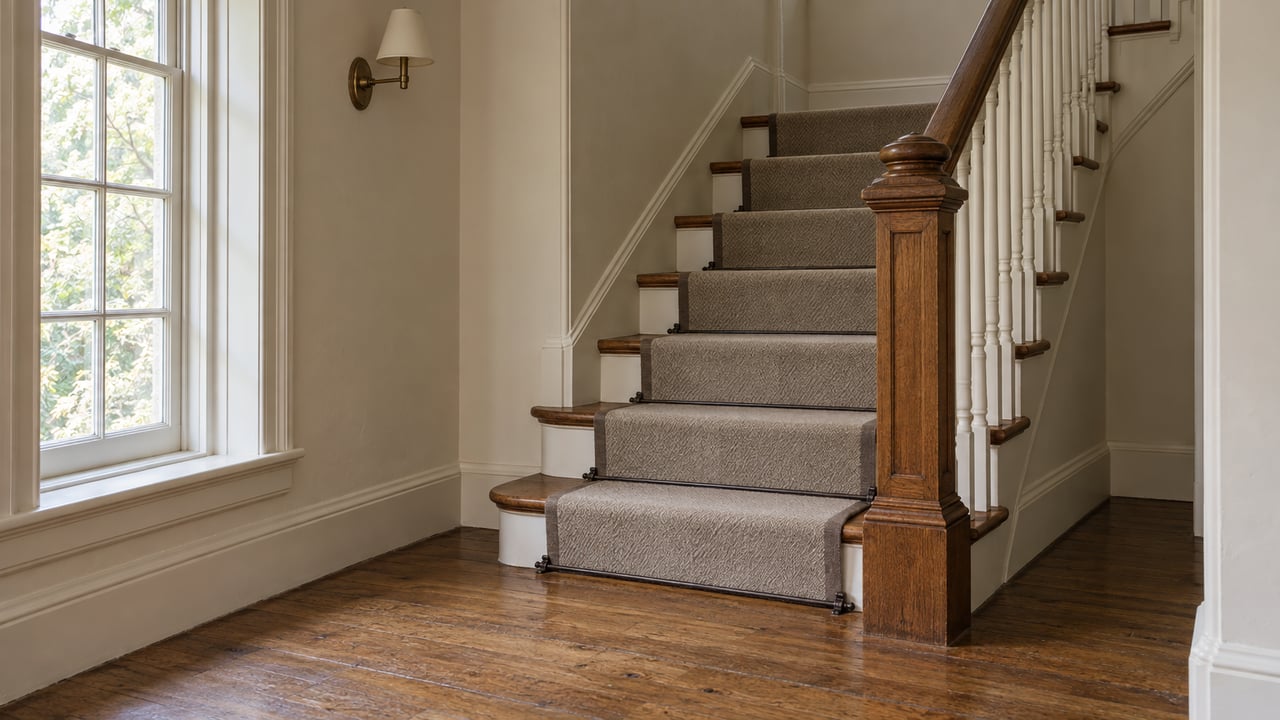
In many Larchmont Colonials, the entry hall, staircase, living room, and dining room create an important visual sequence. When these spaces feel connected and well-scaled, the whole house tends to feel more polished and easier to understand.
Stage the rooms buyers notice first
If you are deciding where to spend time and money, focus on the rooms that matter most. NAR found that the living room, primary bedroom, dining room, and kitchen are the priority spaces for staging.
Living room
The living room often does the heaviest lifting in a Colonial. It is where buyers assess comfort, scale, and how the home lives day to day. Keep furniture proportional, avoid blocking fireplaces or windows, and create a layout that feels conversational and open.
If the room has built-ins, original trim, or a strong mantel, let those elements stand out. A few well-chosen pieces usually work better than a full room of furniture. This is less about decoration and more about clarity.
Primary bedroom
The primary bedroom should feel restful and spacious. Use simple bedding, edited surfaces, and enough open floor area for the room to breathe. Buyers should be able to picture how their own furniture might fit without wondering whether the room is cramped.
This is also a room where visual noise can work against you. Extra chairs, bulky dressers, and crowded nightstands can make even a good-sized bedroom feel smaller in photos.
Dining room
In a Colonial, the dining room is often visible from the entry or hall, so it helps shape the early impression of the home. A table with enough breathing room around it is usually more effective than trying to show maximum seating.
You want the room to suggest easy entertaining and everyday use. Clean lines, a centered light fixture, and a simple table setting often do more than layered formal decor.
Kitchen
The kitchen should read as bright, clean, and functional. Clear counters as much as possible, remove small appliances that add visual clutter, and make sure lighting is consistent and warm.
You do not need a full renovation to improve how a kitchen shows. In many cases, small cleanup items, fresh paint, polished hardware, and better styling can dramatically improve the way the room photographs.
Edit furniture for flow and scale
One of the smartest staging moves in a Larchmont Colonial is furniture editing. Because these homes often have distinct rooms rather than one large open plan, every piece needs to earn its place.
Oversized sectionals, bulky accent chairs, or extra tables can interrupt the natural symmetry of the home. They can also block windows, narrow pathways, and make rooms look less functional online.
Think of furniture editing as a visibility exercise. Fewer, better-scaled pieces help the floor plan make sense, make rooms feel larger, and draw attention back to period details like millwork, stair rails, fireplaces, and built-ins.
Use color and finishes that feel current
A Larchmont Colonial usually shows best with a restrained palette. Warm white, soft greige, pale stone, and muted blue-green accents can help rooms feel fresh while keeping the focus on trim, stair details, and architectural features.
This approach fits the style of the home. Colonial Revival architecture tends to rely on simple classical elements and balanced composition, so loud color shifts or overly busy finishes can distract from the home’s strengths.
If you want a practical pre-list update list, keep it simple:
- Repaint scuffed or heavily personalized walls
- Standardize bulb color throughout the home
- Replace dated shades or tired ceiling fixtures
- Refresh caulk and grout where needed
- Polish hardware
- Swap worn or discolored switch plates
These are not major renovations. They are visual cleanup steps that help your home feel well maintained and photograph better.
Don’t skip cleaning and decluttering
NAR found that decluttering and cleaning the entire home were among the most common recommendations sellers received before listing. That is especially relevant in a Colonial, where defined rooms and architectural details stand out more when surfaces are clear.
Deep cleaning should include more than floors and counters. Windows, baseboards, stair rails, light fixtures, and tile lines all affect how buyers read the condition of the home.
Decluttering is also about reducing distraction. When shelves, countertops, and corners are too full, buyers spend less time noticing the room and more time processing the stuff in it.
Make curb appeal part of staging
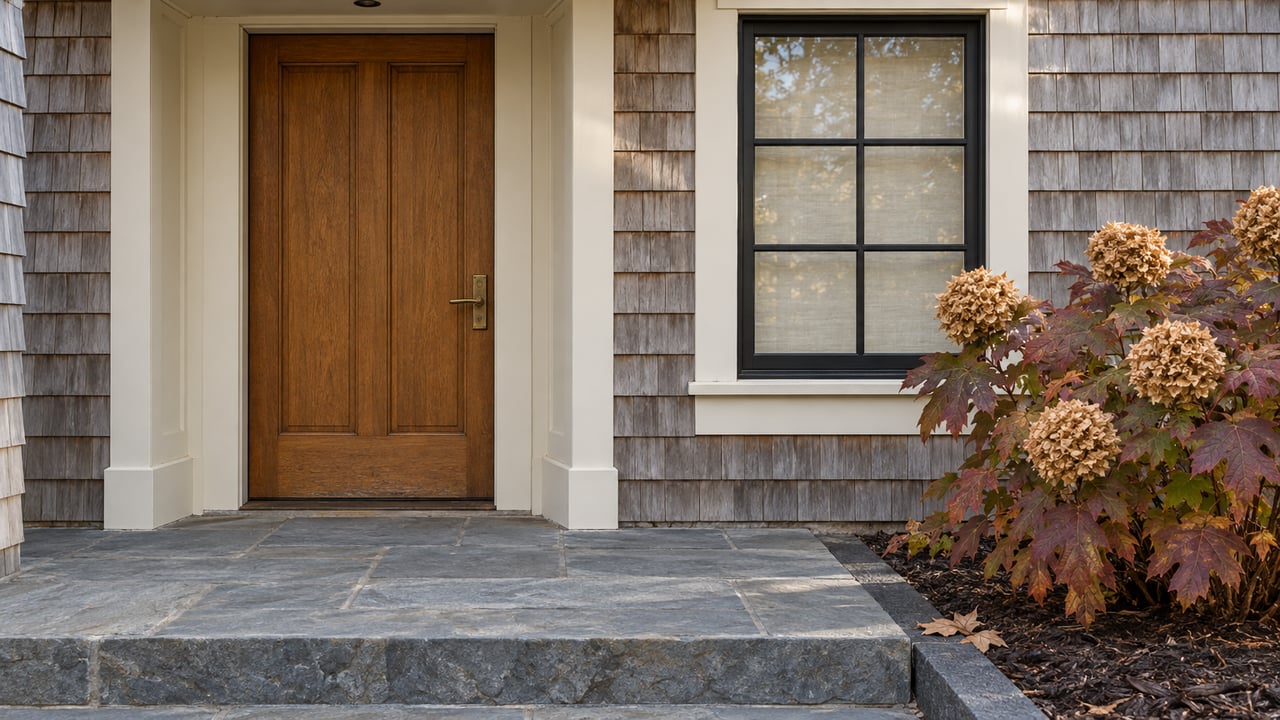
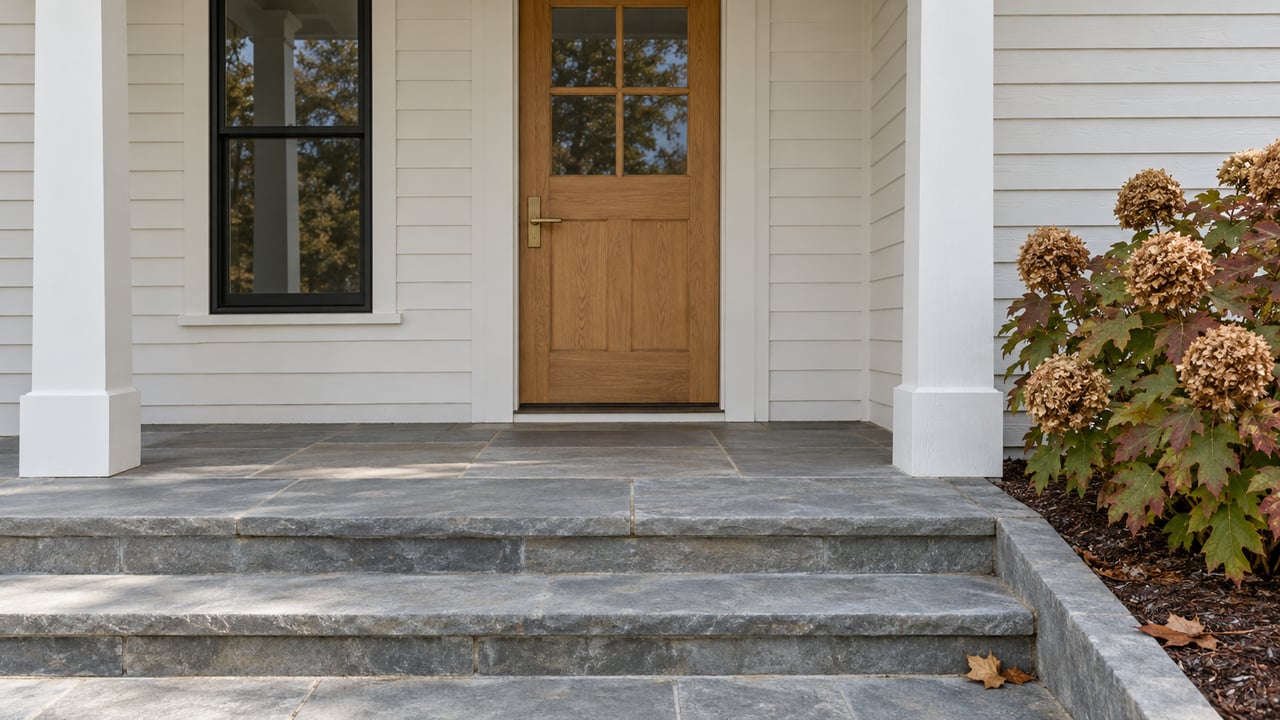
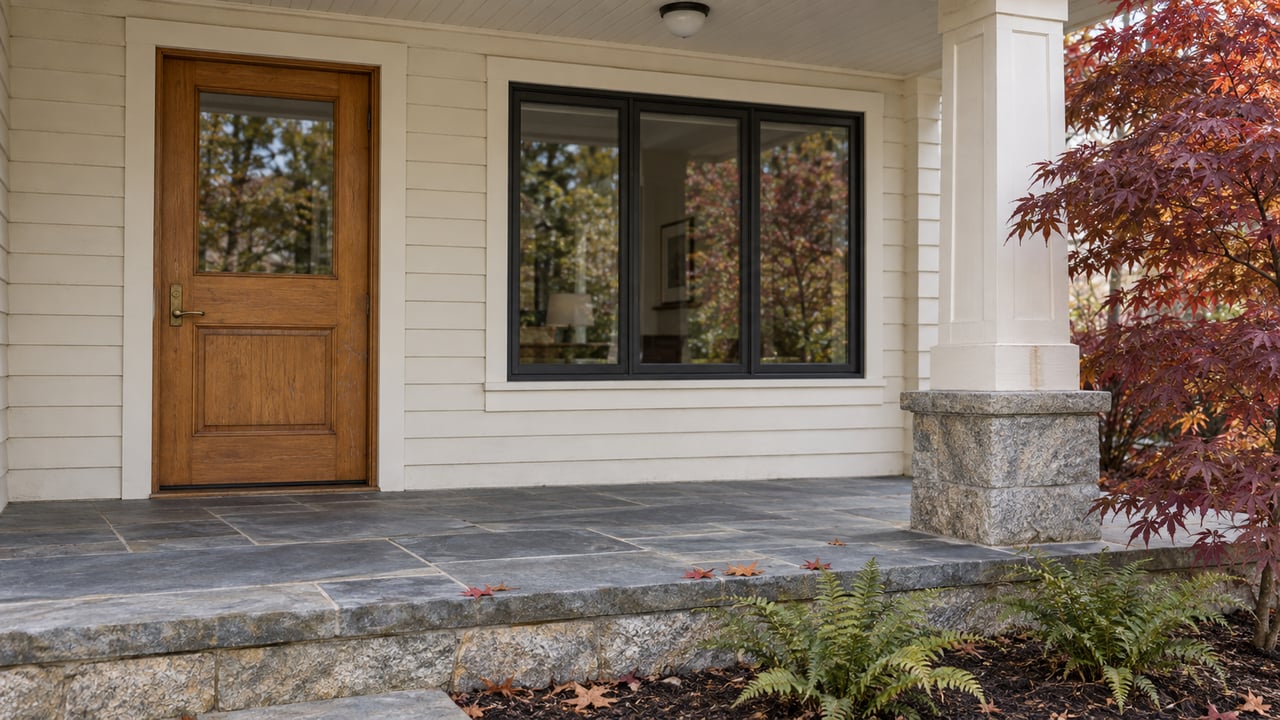
Curb appeal is not separate from staging. It is one of the first chances you have to show buyers that the house is cared for and visually coherent.
NAR reported that improving curb appeal was one of the most common recommendations from agents. For a Colonial, that usually means focusing on maintenance, order, and symmetry rather than dramatic landscaping changes.
A strong exterior prep list often includes:
- A clean front walk
- Trimmed foundation plantings
- Fresh mulch
- Working exterior lights
- Tidy steps and railings
- Neat gutters and roofline edges
- A clear, visible front entry
Balanced planters, clipped shrubs, and a refreshed front door often suit the style better than busy seasonal decorations. The architecture already brings structure and presence, so the landscaping should support that rather than compete with it.
Respect historic details
If your home includes historically significant exterior features, preserve them where possible. Larchmont’s historic resource survey was created to identify potentially significant properties and districts for further preservation work, so it is wise to confirm whether any local review requirements apply before changing visible exterior elements.
This does not mean you cannot improve curb appeal. It simply means that when you make updates, they should be thoughtful and appropriate to the home.
For many sellers, the best results come from restoration-minded touch-ups rather than replacement. Cleaning, painting, repairing, and refining often do more for presentation than removing original details.
Focus on selective spending
Most sellers do not need a full renovation before listing. The research here supports a lighter-touch strategy built around decluttering, cleaning, repairs, staging, and professional marketing.
That is good news if you want to improve your presentation without over-investing. NAR reported a median staging-service cost of $1,500 when a staging service was used and $500 when the seller’s agent handled staging themselves.
The larger point is not the exact number. It is that strategic preparation is often more effective than broad, expensive upgrades. In Larchmont’s Colonial market, buyers are usually responding to homes that feel proportionate, well maintained, and easy to imagine living in.
Why photography should guide decisions
Today’s staging plan should always support photography. NAR found that photos were highly important to both buyers’ and sellers’ agents, and 31% of buyers’ agents said buyers were more willing to walk through a home they saw online.
That means every staging choice should help the camera read the home clearly. Open sightlines, consistent lighting, edited furniture, and clean surfaces all translate directly into better listing images.
This is where a marketing-first approach matters. Coordinating a focused punch list, styling key rooms, and launching strong visual marketing can help your home look polished without wasting time or money on updates that buyers may not value.
If you are preparing to sell a Colonial in Larchmont, the best plan is usually the one that respects the home’s architecture, sharpens its presentation, and keeps your budget tied to what will actually improve marketability. For tailored advice on what to stage, what to update, and what to skip, connect with Elana Zimmerman for thoughtful, data-informed guidance.
FAQs
Which rooms should you stage first in a Larchmont Colonial?
- Start with the living room, primary bedroom, dining room, and kitchen, since those are the spaces buyers tend to notice most.
Does staging really help buyers notice a Larchmont home?
- Yes. NAR’s 2025 staging survey found that 83% of buyers’ agents said staging made it easier for buyers to visualize a property as a future home.
Should you renovate before listing a Colonial in Larchmont?
- Usually, a lighter-touch plan makes more sense: clean, declutter, repair, stage, and photograph the home well before considering larger projects.
What paint colors work best for a Colonial Revival home in Larchmont?
- Restrained colors like warm white, soft greige, pale stone, and muted blue-green accents usually help period details stand out and keep the home feeling current.
What exterior updates matter most when staging a Larchmont Colonial?
- Focus on curb appeal basics like a clean front walk, trimmed plantings, fresh mulch, working lights, tidy steps, and a clearly framed entry.
Do you need to check local rules before changing a historic-looking exterior in Larchmont?
- Possibly. If the home is in or near a designated historic area or may be subject to local preservation review, confirm requirements before changing visible exterior features.