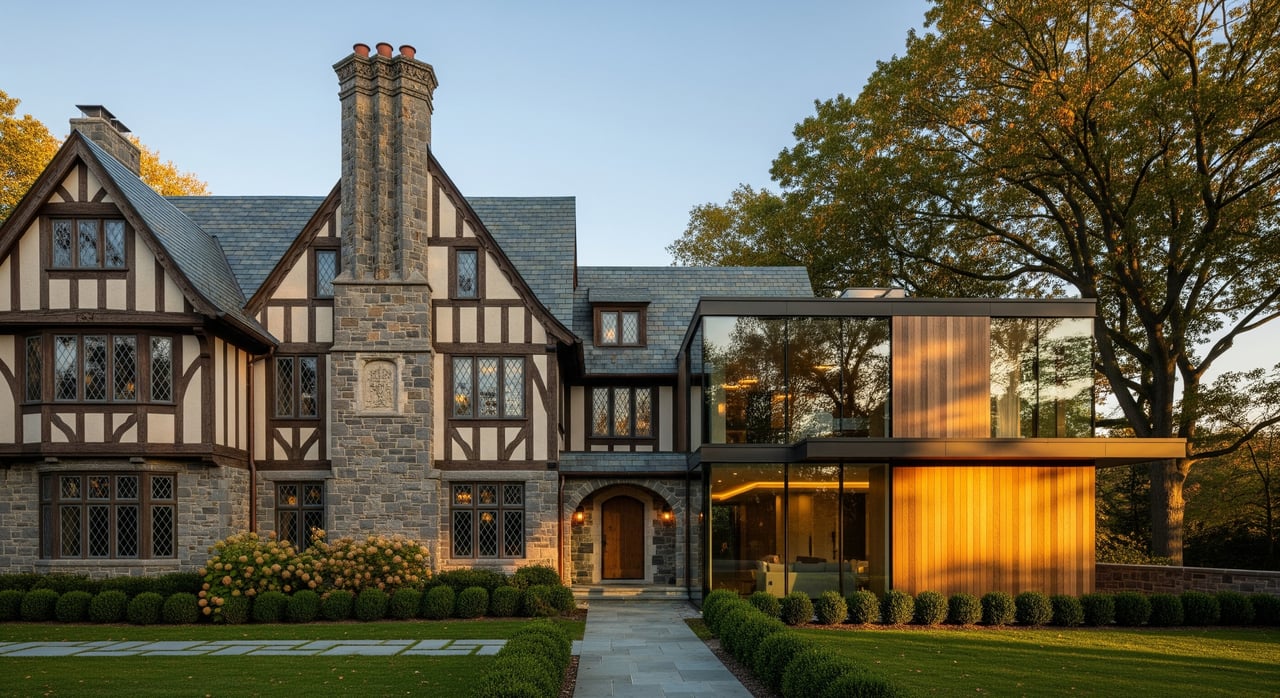
Love your Gedney Farms Tudor, but the kitchen feels tight and storage never quite keeps up? You are not alone. Many White Plains homeowners want modern function without sacrificing the rich woodwork, arched doorways, and leaded glass that define these homes. In this guide, you will learn how to update kitchens, baths, and storage in a way that protects character, fits local building rules, and supports resale in the Westchester market. Let’s dive in.
Why Gedney Farms Tudors stand out
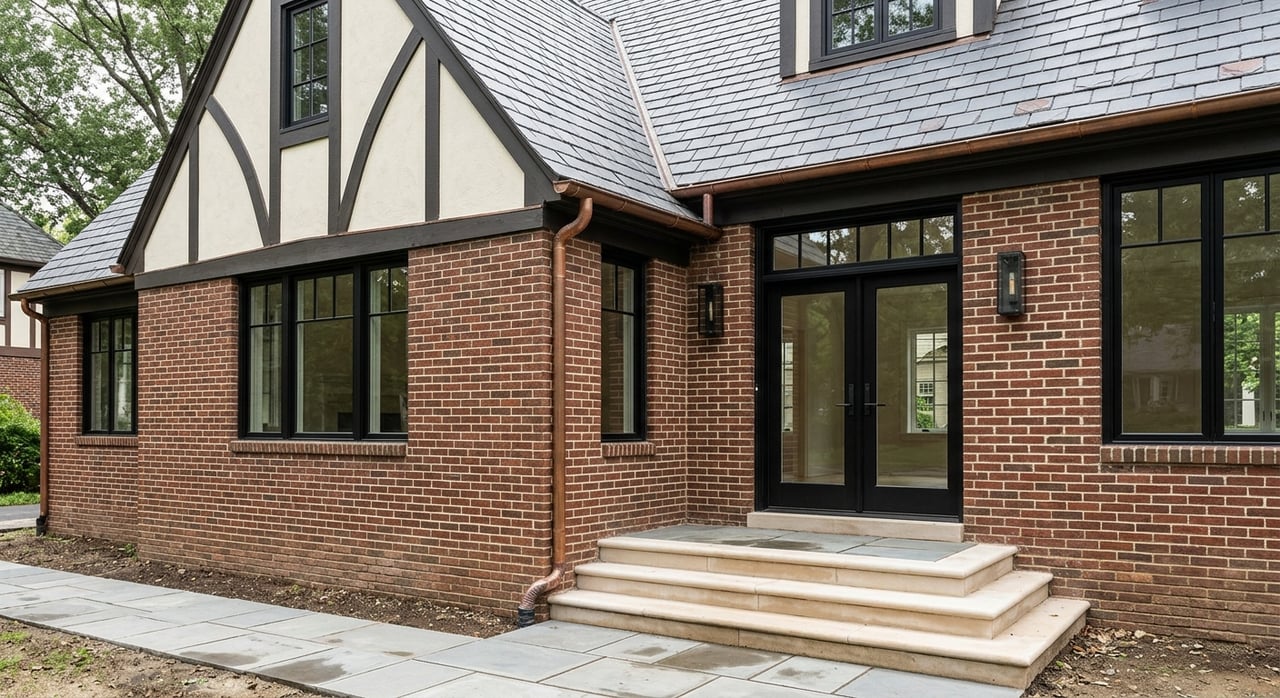
Pre-war Tudors in Gedney Farms typically feature steep gables, decorative brick or stone, half-timbering, plaster walls, and detailed wood trim. Inside, you often see original built-ins, arched openings, and casement or leaded windows. These details are a major part of the neighborhood’s appeal and a key selling point for buyers in White Plains.
At the same time, many of these homes were built with smaller kitchens and baths, limited closet space, older wiring, and single-pane windows. The goal is to bring your home up to today’s standards while preserving what makes it special.
Kitchen updates that keep the character
Path 1: Respectful rework
If your layout mostly works, a moderate refresh can deliver big gains without heavy construction.
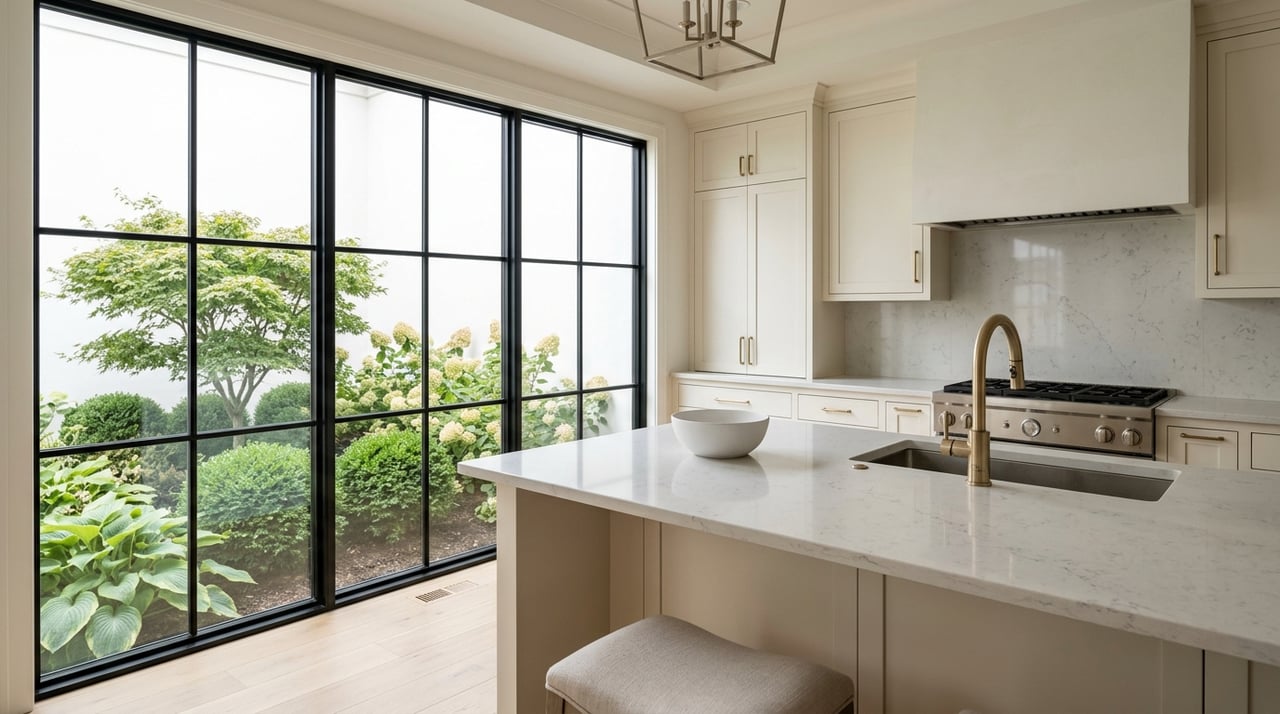
- Choose cabinetry with period-appropriate proportions such as inset or simple shaker doors, paired with brass or black hardware.
- Opt for natural stone or honed quartz countertops in warm, muted tones.
- Add storage with built-ins in an old pantry, along a less-visible wall, or as a paneled appliance wall.
- Keep the sink under an original window when possible and use classic tile like subway or small hex for backsplashes.
Path 2: Sensitive opening
If you need more connection to a dining or family area, open strategically rather than going fully open plan.
- Remove a non-loadbearing wall or insert a structural beam to widen the opening only as needed.
- Retain visual separation with a half wall, cased opening, arch, or exposed beam that echoes Tudor proportions.
- Have a structural review before any wall changes and plan to preserve nearby hearths or built-ins.
Bathrooms with a period sensibility
Small original baths can feel tight, but you can modernize and still nod to the 1920s and 1930s.
- Keep original niches or tile if they are in good condition. If you need a full refresh, use timeless materials such as subway tile with darker grout and classic brass fixtures.
- Consider a pedestal or console sink in secondary baths to maintain an airy feel, and a double vanity in a primary bath if space allows.
- To add a primary suite bath, look at attic dormers, reconfiguring adjacent small bedrooms, or a modest rear bump-out that respects the home’s massing.
- Ensure proper venting and waterproofing, and use pocket doors where clearances are tight.
Add storage without altering proportions
Closets were not a priority when these homes were built. You can add storage without stripping character.
- Build in wardrobes, bookcases, or window seats with storage below, sized to the room’s scale.
- Convert redundant hall space or landings into shallow closets.
- In basements and attics, finish selectively for a mudroom, laundry, or organized storage. Address moisture and insulation first.
- Avoid oversize closets that remove original doors, trim, or windows that define the room.
Exterior changes and additions that fit
Thoughtful additions should sit back from the street and echo original forms without pretending to be historic.
- Favor rear or modest second-story additions that match roof pitch and materials without copying details exactly.
- Dormers can add headroom for a primary suite or storage if they align with existing rooflines and window proportions.
- If adding parking or a garage, place it as a detached structure or set back from the main façade, with doors that complement the Tudor style.
Materials, finishes, and lighting that feel right
Lean into materials that read as period respectful.
- Repair plaster with compatible methods and paint trim in soft, layered tones such as muted greens, warm grays, and creams.
- Choose hardware with vintage profiles and avoid ultra-glossy, high-contrast palettes.
- Layer lighting with wall sconces, pendants, and under-cabinet task lighting rather than relying on large track systems.
Must-do items: permits, safety, and systems
Permits and zoning in White Plains
For structural changes, additions, new dormers, finishing a basement or attic, or major mechanical work, you will need building permits and must meet zoning rules for setbacks, lot coverage, and floor area. If your address falls within a local or National Register historic district, you may face additional design review. Always confirm requirements with the White Plains Building and Zoning Department and local preservation staff before you start design.
Lead and asbestos protocols
Homes built before 1978 often contain lead-based paint. Renovation work that disturbs painted surfaces must follow EPA Renovation, Repair, and Painting lead-safe rules with certified contractors. Old insulation, flooring, or pipe wrap may contain asbestos, which requires licensed abatement. Plan for these items in your budget and schedule.
Mechanical and structural upgrades
- Electrical: Replace knob and tube or aging wiring and upgrade the service panel to handle modern loads such as kitchen circuits and potential EV charging.
- HVAC: Consider high-efficiency systems and zoning for comfort while minimizing disruption to historic finishes.
- Insulation and air sealing: Add attic and rim joist insulation and air sealing where possible without damaging original plaster. Pair restored leaded windows with storm or secondary glazing to boost efficiency while keeping original sash.
Energy incentives and credits
New York State and federal programs may offset costs for heat pumps, insulation, and other efficiency upgrades. Review current NYSERDA and IRS guidance for eligibility and documentation. Incentives can help fund window restoration with quality storms instead of full replacements.
Realistic budgets for White Plains in 2024–2025
Costs in Westchester typically run above national averages. Use these planning ranges and get multiple local bids.
- Minor kitchen refresh: 25,000 to 60,000 dollars.
- Full kitchen remodel with layout changes or structure: 75,000 to 200,000 dollars or more, depending on size and finishes.
- Full bathroom remodel, midrange: 20,000 to 40,000 dollars. High-end primary bath or reconfiguration: 50,000 to 120,000 dollars or more.
- Attic conversion or dormer for a primary suite or storage: 60,000 to 200,000 dollars or more depending on structure and finishes.
- Small rear bump-out addition, 100 to 200 square feet: 60,000 to 150,000 dollars.
- Basement finishing for storage, mudroom, or laundry: 20,000 to 80,000 dollars. Egress and moisture work add cost.
- Systems: electrical service panel 3,500 to 10,000 dollars; new HVAC or heat pump 10,000 to 35,000 dollars; storm or secondary glazing 300 to 900 dollars per window installed.
- Custom built-in storage: 2,000 to 15,000 dollars per run.
How to phase your project
A smart sequence reduces surprises and protects your historic features.
- Phase 0: Assessment and design, 2 to 6 weeks. Hire an architect familiar with older homes. Document historic features and get a condition assessment of roof, foundation, and systems.
- Phase 1: Permits and contractor selection, 4 to 12 weeks. Prepare permit drawings and energy compliance paperwork and choose a GC.
- Phase 2: Structural and systems first, 2 to 8 weeks. Address roof or foundation repairs, electrical, plumbing, HVAC, and any required abatement before demolition.
- Phase 3: Kitchen, bath, and core remodeling, 4 to 12 or more weeks. Complete framing, rough-ins, insulation, and plaster repair, then cabinets and finishes.
- Phase 4: Finish and preservation work, 2 to 6 weeks. Hardware, paint, flooring, and window restoration.
- Phase 5: Punch list, inspection, and certificate of occupancy, 1 to 4 weeks.
A moderate kitchen plus one bath and targeted storage rework often spans 3 to 5 months from design sign-off through completion if permits and contractors are lined up. Larger additions or preservation reviews can extend timelines to 6 to 12 months.
What resonates at resale in White Plains
Buyers in Westchester respond strongly to updates that deliver daily ease while keeping curb appeal intact.
- A modern, efficient kitchen that connects to living or family space without erasing character.
- A refreshed primary bath and en-suite configuration with a walk-in shower and, where space allows, a double vanity.
- Storage that works, including a primary bedroom closet solution, organized pantry space, and a mudroom or laundry.
- Updated systems and a well-insulated shell that reduce inspection issues and improve comfort.
- Off-street parking or a garage and a well-maintained original façade.
Kitchens and baths tend to have the greatest impact on buyer appeal and marketability. Systems upgrades may not add dollar-for-dollar value, but they reduce repair credits and speed negotiations. Sensitive preservation work on windows and woodwork elevates perceived quality and helps your listing stand out in Gedney Farms.
Cost-control tips for Gedney Farms homes
- Repair rather than replace high-quality original features where feasible.
- Keep structural changes focused on sightlines and key pinch points rather than full reconfigurations.
- Combine permit-heavy work in one mobilization to avoid repeat costs.
- Tackle safety and systems first, then plan cosmetics if budget requires a staged approach.
- Get three bids from contractors with proven old-house experience and ask for references on similar projects.
Quick planning checklist
- Photograph and measure existing historic details before work begins.
- Order a condition assessment to catch roof, foundation, and knob and tube issues early.
- Set priorities in this order: safety and systems, structural, kitchen and baths, then storage and finishes.
- Confirm permit requirements with White Plains and allow time for reviews.
- Factor lead-safe work practices and potential asbestos abatement into both budget and schedule.
- Discuss resale goals with a local agent early so design choices match market expectations.
Ready to modernize without losing the magic?
Updating a Gedney Farms Tudor is about balance. Keep the craftsmanship that drew you to the home while upgrading the rooms you use every day. If you want a second opinion on scope, budget ranges, or which choices will best support resale in White Plains, reach out. Unknown Company offers renovation and staging advisory, vetted local trade referrals, and data-informed guidance to help you invest wisely. Your Next Chapter Starts Here.
FAQs
What is a realistic budget to update a Gedney Farms kitchen?
- In White Plains, a minor kitchen refresh often runs 25,000 to 60,000 dollars, while a full remodel with layout changes or structural work typically ranges from 75,000 to 200,000 dollars or more depending on size and finishes.
Do I need permits in White Plains for interior changes?
- You will need permits for structural changes, additions, dormers, finishing a basement or attic, and major mechanical work, and you must follow zoning for setbacks, lot coverage, and floor area; always confirm requirements with the city before design starts.
How can I add a primary suite to a Tudor without hurting the exterior?
- Look at attic dormers or a modest rear bump-out that matches roof pitch and proportions, or reconfigure adjacent smaller bedrooms, keeping additions set back from the street to preserve the main façade.
What are the best storage upgrades for older Tudors?
- Built-in wardrobes, bookcases, and window seats work well, plus selective basement or attic finishing for mudroom or laundry; avoid oversize closets that remove original trim or window openings.
How long will a kitchen plus one bath project take?
- From design sign-off, plan on roughly 3 to 5 months including permits, systems work, and finishes, with larger additions or preservation reviews extending to 6 to 12 months.
How do I handle lead paint or asbestos during renovation?
- Use EPA lead-safe certified contractors for any work that disturbs painted surfaces in pre-1978 homes and hire licensed abatement pros if asbestos is present, and build these requirements into your budget and schedule.
Can I improve energy efficiency without replacing original windows?
- Yes, pair restored leaded or casement windows with quality storm or secondary glazing, and add insulation and air sealing in the attic and rim joists to boost comfort and efficiency while preserving historic fabric.